Why This Film Matters
Knowledge is fragile. Skills, memories, documents, mentorship networks, and institutional practices can disappear when experienced people leave the room.
Tomorrow Builders examines how societies preserve, teach, test, and apply knowledge so ordinary people can accomplish extraordinary things together.
Tomorrow Builders is organized around five narrative movements: curiosity, discovery, innovation, collaboration, and tomorrow. The American space program appears as one recurring case study, but the film also draws from medicine, education, engineering, manufacturing, computing, scientific research, public service, and historical memory.
The central project statement is simple: civilization advances because millions of people pass knowledge from one generation to the next.
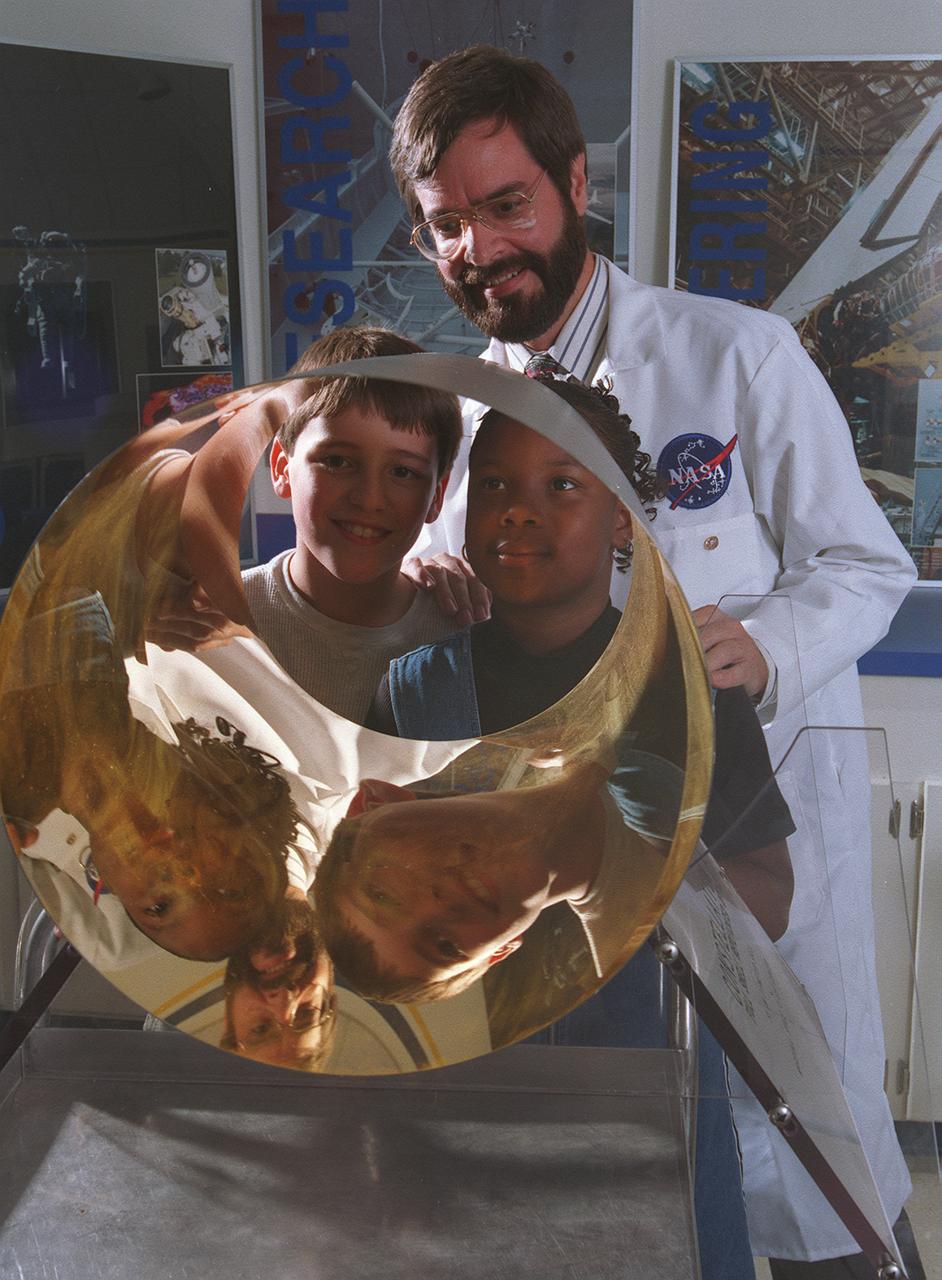
History is not simply the story of great inventions or remarkable individuals. It is the story of civilizations learning how to preserve knowledge, inspire future generations, and accomplish extraordinary things together.
Knowledge is fragile. Skills, memories, documents, mentorship networks, and institutional practices can disappear when experienced people leave the room.
How does humanity build tomorrow? The film asks what future generations need us to preserve, explain, and make accessible now.
The project treats progress as a human and civic achievement, not only a technical one.
What happens when firsthand knowledge is not recorded?
How do teachers and mentors prepare people for work they cannot yet imagine?
How do universities, agencies, labs, industries, museums, and libraries organize shared knowledge?
What do today’s breakthroughs ask of tomorrow’s citizens?
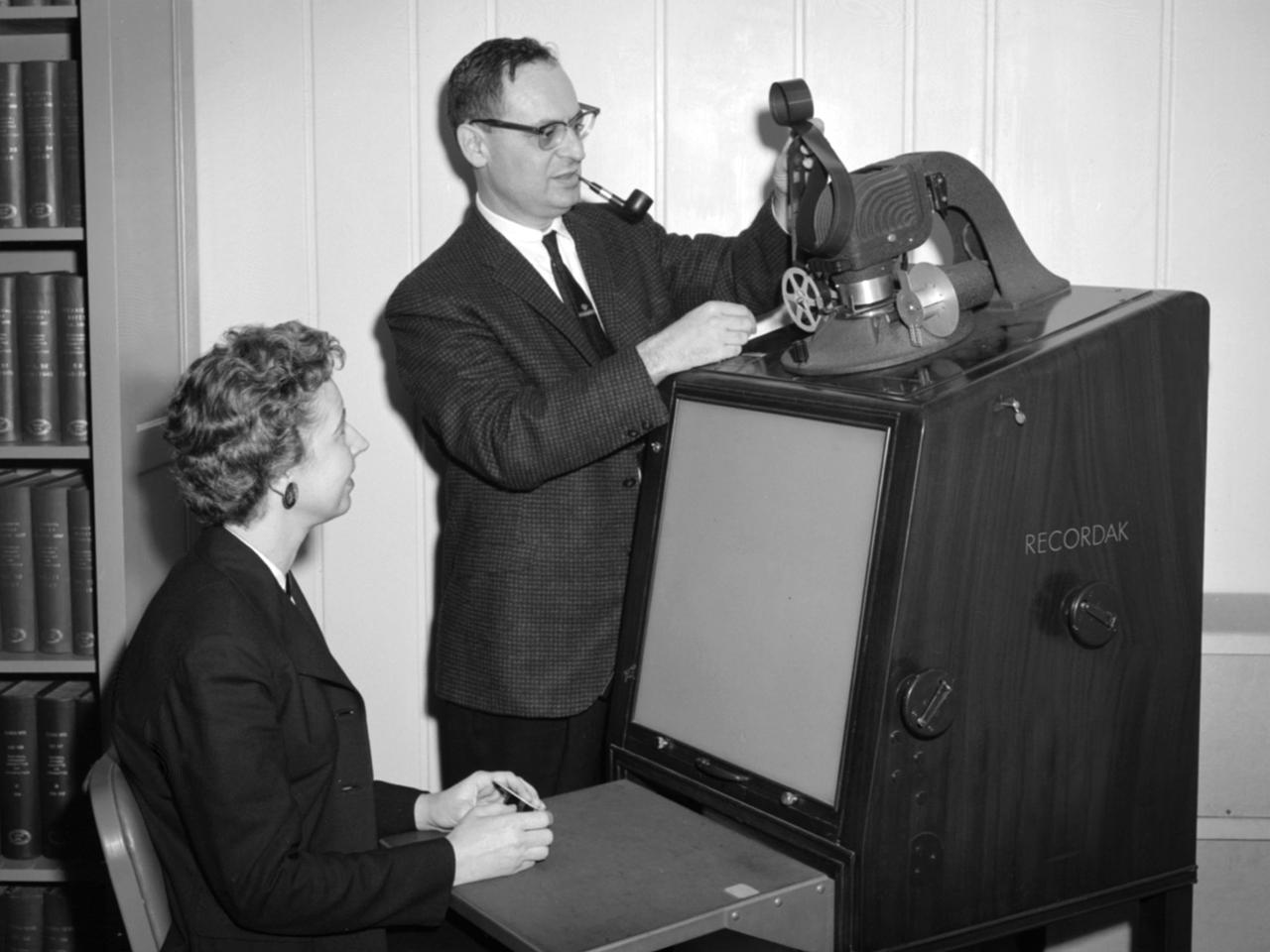
The film blends participant interviews, scholar interpretation, archival evidence, original cinematography, technical diagrams, and educational context. The goal is a public television caliber feature that feels cinematic while remaining thoughtful, accurate, and useful.
Visual language should echo mission planning, research notebooks, historical archives, museum exhibitions, and public humanities storytelling.
Scholarly review, oral histories, archive visits, preliminary interviews, location research, and case-study development.
Deep navy palettes, restrained gold accents, archival textures, technical grids, cinematic interviews, and atmospheric institutional imagery.
Classroom materials, museum programs, public screenings, digital archive resources, and long-term access to interview collections.
The completed project is intended for public television, streaming, museums, universities, libraries, educational audiences, film festivals, and community screenings.